Back to Blog




Monica Jansen
Jul 15, 2026
What Is Server Hardening?
Today, cybersecurity is one of the biggest concerns for most companies.
With cyber attacks becoming regular occurrences, more and more sites and online platforms are seeking ways to protect their data, transactions, and customers.
In that regard, server hardening is their most reliable ally, as it can fortify their defenses against all types of cyber threats. Below, we will dive deep into this topic, answering all your related questions, including:
- What is server hardening?
- How is server hardening performed?
- What else do you need to know about server hardening?
Keep reading, we have a lot to cover!
What Is Server Hardening?
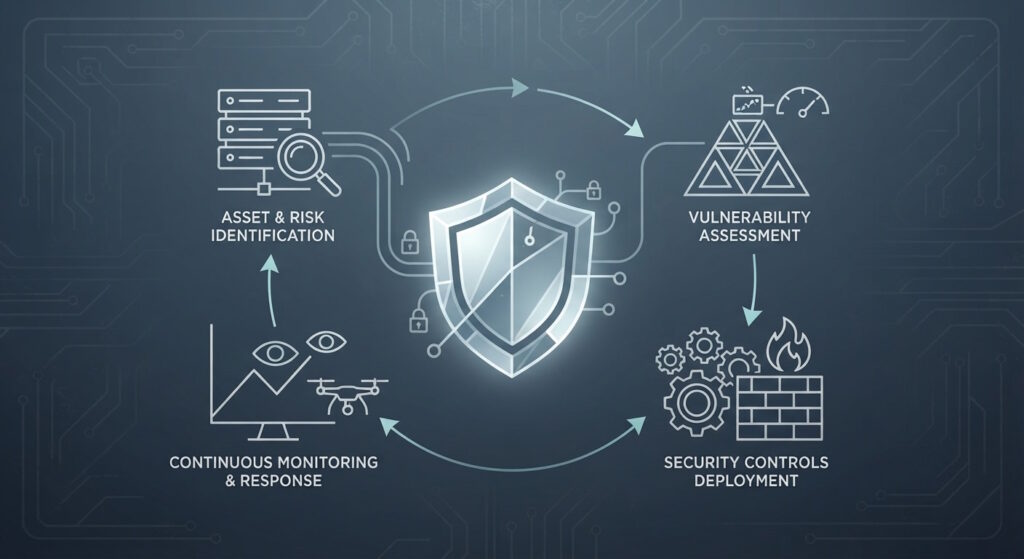
At its core, server hardening is a complex cybersecurity approach. It helps online platforms build and maintain a better defense system for handling any potential cyber attacks.
Although its name is quite simple, it is actually an umbrella term that covers a wide range of methodologies, tools, and techniques that reduce server vulnerabilities.
It entails employing a systematic approach to identifying and minimizing any security risks, including data breaches, malware, etc. Generally, hardening a server includes securing all its data, ports, functions, and permissions via various hardware, software, and firmware-related protection layers.
In short, the process helps close any server loopholes that attackers may exploit. By doing so, you ensure that a platform is much more secure and that it operates smoothly.
Why Is Server Hardening Essential?
From the definition, it is easy to gauge why server hardening is an essential process. For one, it allows businesses to remove potential online attack vectors, making it more difficult for hackers to breach their data and jeopardize security.
In addition, server hardening allows companies to comply with industry security standards. Namely, these types of security fortifications are done in accordance with guidelines, regulations, and best practices established by particular industry associations, regulatory bodies, and security frameworks.
Thus, by ensuring their servers and systems are secure, companies can establish positive reputations. As a result, they can attract more customers by guaranteeing a high-level of security for all their data.
How Is Server Hardening Done?
As we have already mentioned, server hardening consists of a wide range of protection steps and techniques. When combined, they give a server — and, by extension, all the websites situated on it — the tightest security possible.
In the vast majority of cases, people rely on hosting providers to equip them with secure and hardened servers. However, it is also possible to create, secure, and maintain a server all on your own.
Here are the essential steps of server hardening:
- Making a hardening plan
- Securing the hardware
- Securing the server’s operating system (OS)
- Securing the server software
- Maintaining server security
In the sections that follow, we will cover each one (including all the subsections they entail) in detail.
1. Assessing the Server and Creating a Hardening Plan
Before any server hardening steps can be made, companies need to assess their security needs. Namely, the level of protection they will need will directly depend on the data and transactions they handle.
For instance, websites that require simple login details — random usernames and passwords — will not require the most extensive type of hardening. However, those who handle personal data, credit card information, or any other confidential details will need a higher level of security.
Thus, it is essential to perform an assessment before making any decisions. By doing so, companies will be able to plan their budgets, maximize effectiveness, and guarantee safe browsing for all their customers.
At this stage, it is advised to have professional assistance, as most people are not aware of the security requirements for specific data types. These professionals can be hosting providers, IT experts, a designated company team, etc.
2. Securing the Hardware
Before focusing on the virtual aspects of securing a server, it is pivotal to ensure that the physical infrastructure is safe at all times. That includes picking a secure location for the server and only allowing essential personnel access to it.
Now, in case you choose to use a hosting provider, the company you opt for will take care of this type of protection. Otherwise, you will have to take care of it on your own.
3. Securing the Server’s OS
Regardless of the confidentiality of the data stored on a server, the most crucial part of the hardening process is securing the server’s operating system (OS).
Today, most servers use a general-purpose OS, which can then be configured to serve different needs and store various types of information. The techniques used for securing the OS also vary based on the data on the server.
Here are some generic steps for securing an OS that most companies employ:
- Updating the OS regularly and applying necessary patches (minimizing vulnerabilities)
- Configuring the OS so it addresses the necessary security needs
- Installing additional security controls if and when required
- Performing regular security tests to ensure everything runs smoothly
Each of these actions entails a wide range of steps, most of which we will address below.
Regular OS Updates and Patches
Updating the OS is essential for ensuring it runs smoothly. However, it is also a crucial security measure that helps minimize any potential threats from outside attacks.
Similarly, patching involves finding loopholes that attackers could exploit and closing them. In addition, it includes coming up with solutions that will mitigate the risks in case patches (updates and fixes) are unavailable at the time of the discovery of the issues.
It is important to perform both of these processes regularly, so that security is always at the highest possible level.
OS Configuration
Next, hardening involves configuring the OS to ensure it is secure enough. In practice, this entails some or all of the following actions:
- Removing any protocols, applications, and services that the server offers but that are not necessary for a particular company’s website
- Configuring user authentication (insisting users create and maintain complex passwords, implementing multi-factor authentication, disabling inactive accounts, etc.)
- Establishing appropriate access privileges for different files, devices, directories, etc.
By performing the steps above, you can ensure that the OS is set up to suit the type of data you will store and handle. It is important to note that you can (and should) adjust these configurations if and when your security needs change in the future.
Additional Security Controls
As we have already touched upon above, most general operating systems do not include all security controls necessary for protecting all types of data. Fortunately, all OSs can be built upon and upgraded, which is yet another essential part of server hardening.
Now, which controls you will need will depend on the type of website or platform you run. Generally, all servers need anti-malware software, which includes antivirus software, anti-spyware software, and rootkit detectors.
However, you can also install host-based intrusion detection and prevention software (IDPS), host-based firewalls, and many other types of controls.
OS Security Tests
Finally, to ensure that your OS remains secure, it is pivotal to perform regular security tests. They will help you identify any potential vulnerabilities and show whether the existing security precautions are effective.
As for the types of tests that you can perform, anything from vulnerability scans to penetration testing is a good idea. The more tests you run, the more information you will get about the state of your server.
4. Securing Server Software
When the OS is installed and fully configured, you can move on to securing your chosen server software. In most instances, doing so follows similar steps as configuring the OS.
Thus, you will have to:
- Install the software
- Upgrade it (if necessary) and install any required patches
- If needed, create a dedicated physical disk or logical partition
- Remove or disable any services, example and test files, compilers, and user accounts you do not need
- Configure all network services
- Set up appropriate access controls
- Select and implement authentication and encryption technologies
It’s crucial to perform all of the (applicable) steps above before exposing the server to external networks (the internet, for instance). Otherwise, you’ll risk the server being attacked and compromised without sufficient defense mechanisms that would protect it.
Now, this process is quite time-consuming and tedious, but it is indeed necessary. Most software companies offer checklists and guidelines for anyone who is securing the software on their own. However, in most cases, all of the steps above are performed by the hosting provider of a particular website owner’s choosing.
5. Server Security Maintenance
Though often overlooked, security maintenance after server deployment is also a part of server hardening. It ensures that everything is up to date, and that any issues that arise are solved promptly.
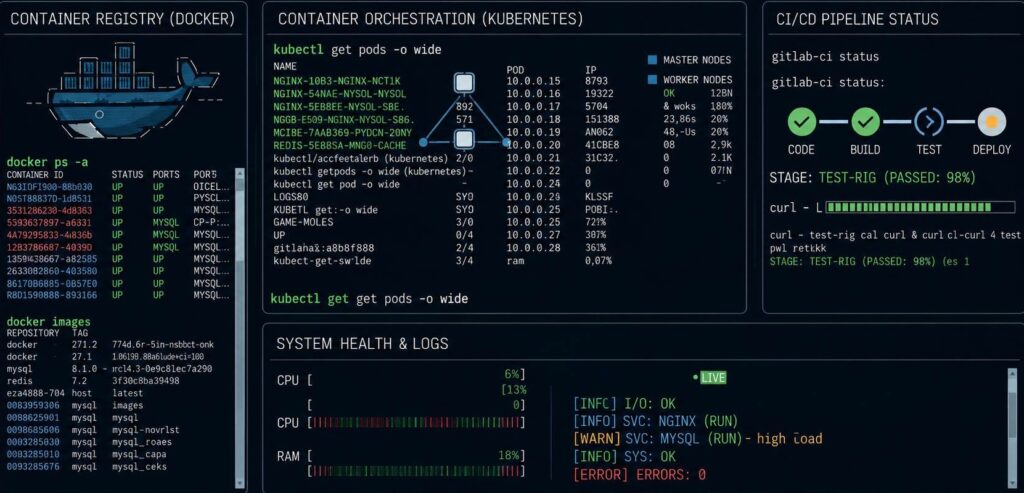
Analyzing Log Files
For starters, proper maintenance involves going over logs and taking steps to recover from any attacks or compromises. Furthermore, it includes performing security tests and vulnerability scans and addressing any concerns they bring up.
Performing Regular Backups
Moreover, perhaps the most essential part of security maintenance is backing up your data. From using cloud servers to opting for a local one, you can opt for various types of backup processes.
Regardless of the type of website you operate, it is wise to establish multiple backup solutions. By doing so, you will have several recovery options in case an attack does occur.
Stay Up to Date With Cybersecurity
Lastly, it is also important to keep up with all the latest advancements in cybersecurity. That way, you can keep improving your server security and ensuring your employees and customers are always safe.
Server Hardening: Some Additional Information
If you will be setting up and maintaining your server on your own, it is best to consult guidelines proposed by relevant companies or government bodies.
For instance, the National Institute of Standards and Technology has a clear-cut guide on server security that anyone can access and implement.
However, in case you will be putting your security in the hands of a third party (a hosting service), your focus should be on finding a reliable company. They will be responsible for performing all the checks and steps outlined above, so it is essential that they are reputable and trustworthy.
In that regard, thorough research is the best course of action to take. From reading detailed user reviews on forums such as Reddit to getting in touch with different hosts about the type of security they offer, it is wise to explore all avenues before choosing a suitable provider.
In that regard, thorough research is the best course of action to take. From reading detailed user reviews on forums such as Reddit to getting in touch with different hosts about the type of security they offer, it is wise to explore all avenues before choosing a suitable provider.
Conclusion
Now that you know the purpose of server hardening, you can start making your own security plan based on your needs and plans for the future. Alternatively, it is always a good idea to leave it all in the hands of a trustworthy hosting provider.
That way, your site(s) will be safe, and you will have more than enough time to focus on operating them.
Author
Monica Jansen
Monica Jansen is a seasoned tech writer focused on web hosting and cybersecurity. She loves doing deep dives and whittling down difficult topics into simple and succinct concepts. Whether she is covering firewalls or different hosting plans, she always strives to provide clear guides that website owners of all skill levels can follow.
Add your comment
Get content delivered straight to your inbox



Your data.
Your choice.
Work with the best of the best — your projects deserve it.