Back to Blog




Monica Jansen
Jul 28, 2026
How To Hide WHOIS Information and Protect Domain Privacy
Although not many people are aware of it, creating a website is never an anonymous affair.
Namely, when you enter your private information to register a domain, it is stored in something called a WHOIS record.
The tricky thing is, this record is available to anyone who looks it up—as is all the info you provided.
What exactly is this record? What is its purpose? And is there any way to protect your information?
We will answer these questions—and various others—as we take a deep dive into all things WHOIS and teach you what you need to know:
- WHOIS Database Explanation
- The Legal Side of Things
- The Risks of Exposed WHOIS Data
- Submitting Fake Information to Avoid Exposure
- Ways To Protect Your WHOIS Info
- Turning On WHOIS Protection for Your Domain
Read on!
Explaining the WHOIS Database
When you register a domain name, you are required to submit certain registration details.
These details are stored in the WHOIS database, which is a public record maintained by domain registrars and overseen by ICANN (the Internet Corporation for Assigned Names and Numbers).
Typically, a standard WHOIS record includes the registrant’s (in this case, your):
- Full name
- Mailing address
- Phone number
- Email address
- The domain’s registration and expiration dates
Originally, WHOIS was made to ensure transparency and accountability on the internet. This makes sense, as it allows people to identify domain owners in case of disputes or any issues.
However, this transparency has come at the cost of privacy, which has become a huge issue with the fast development of technology.
Add to that the sheer increase in the number of websites in this century alone, and the issue becomes even more serious.
WHOIS Data: The Legal Side
WHOIS data is governed by a combination of international policies, data protection laws, and registrar obligations. These rules influence what information must be collected, stored, and made publicly available.
A Look at ICANN
For starters, ICANN requires registrars to collect accurate contact details from all domain registrants.
However, it also allows registrars to offer privacy services, provided that they maintain a record of the true owner behind the scenes.
Regulations Based on Jurisdiction
Next, the public availability of WHOIS data also depends on a country’s—or a region’s—stance on data privacy.
For instance, the introduction of the General Data Protection Regulation (GDPR) in the European Union significantly changed how WHOIS data is displayed.
Under GDPR, registrars must protect the personal data of EU citizens, leading to the redaction of many WHOIS fields by default.
Other jurisdictions have adopted similar approaches, while some—especially those without strong privacy regulations—continue to allow the public full access to WHOIS information.
What This Means for You
This patchwork of rules has led to inconsistencies across registrars and domain extensions. In some cases, the same domain registrar may display different levels of information depending on the registrant’s location.
Thus, it is important that you, as a domain owner, understand which laws apply to your domains and ensure that your registrar complies with local privacy standards.
To that end, using a registrar that aligns with data protection best practices is often the safest route.
The Risks of Exposed WHOIS Data
Publicly available WHOIS information can open the door to a wide range of privacy and security threats.
After all, since anyone can access the database, malicious parties often use it as a starting point for targeted attacks.
Spam
For instance, unprotected emails listed in the WHOIS database are often the targets of spam campaigns. They are easy to access and harvest, allowing bots to seamlessly put them on spam mailing lists.
Phishing
On the other end of the spectrum, there are phishing and social engineering attempts, which have even more serious potential consequences.
With a name, phone number, and email, attackers can impersonate a registrar or hosting provider to trick domain owners into revealing credentials or making unauthorized changes.
In some cases, especially for individuals running controversial or high-profile websites, publishing personal information can also lead to harassment or physical threats. This risk is particularly relevant for journalists, activists, or political figures.
Leaked Company Data
Finally, WHOIS data can also help competitors gain knowledge or data about your company. Namely, they can learn about any expansions or acquisitions just by monitoring this database.
Can You Submit Fake Information to Avoid Exposure?
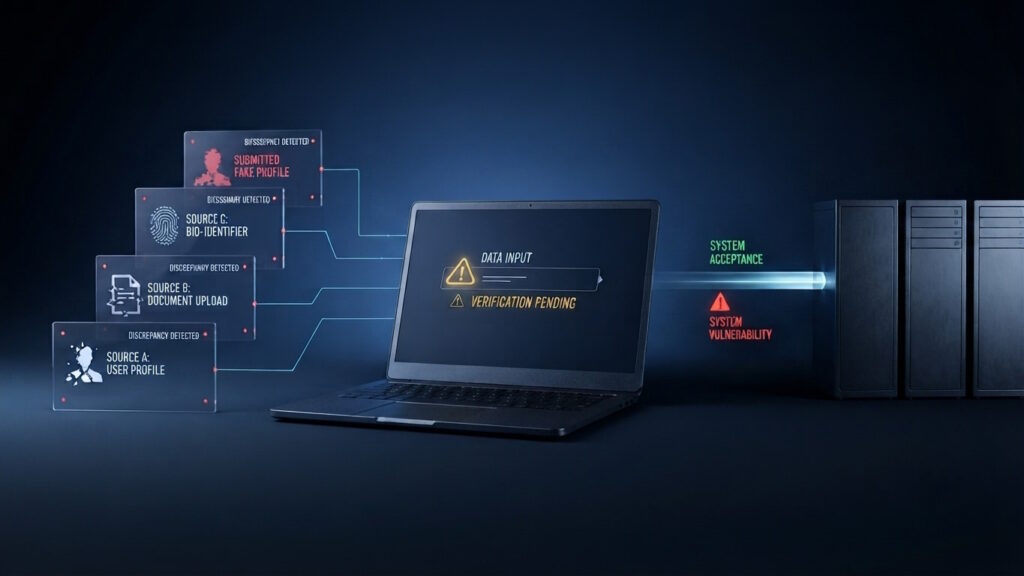
When dealing with the issue of WHOIS data, many people have considered simply inputting fake information when registering a domain.
While this might seem like a good idea, it is, in fact, illegal.
Namely, all credible registrars require your actual information, as well as a confirmation of your ID.
The Consequences
In case you somehow get away with providing fake information, your domain registration will get revoked as soon as your registrar notices it.
In other words, you risk losing your website domain just as you’ve made a name for it.
So, while protecting your private information is crucial, it should not come at the cost of your integrity or get you in trouble with the law.
How Can You Protect Your WHOIS Information?
As you can see, shielding your WHOIS information is pivotal regardless of the type of online business you are running—as long as you do it by the book.
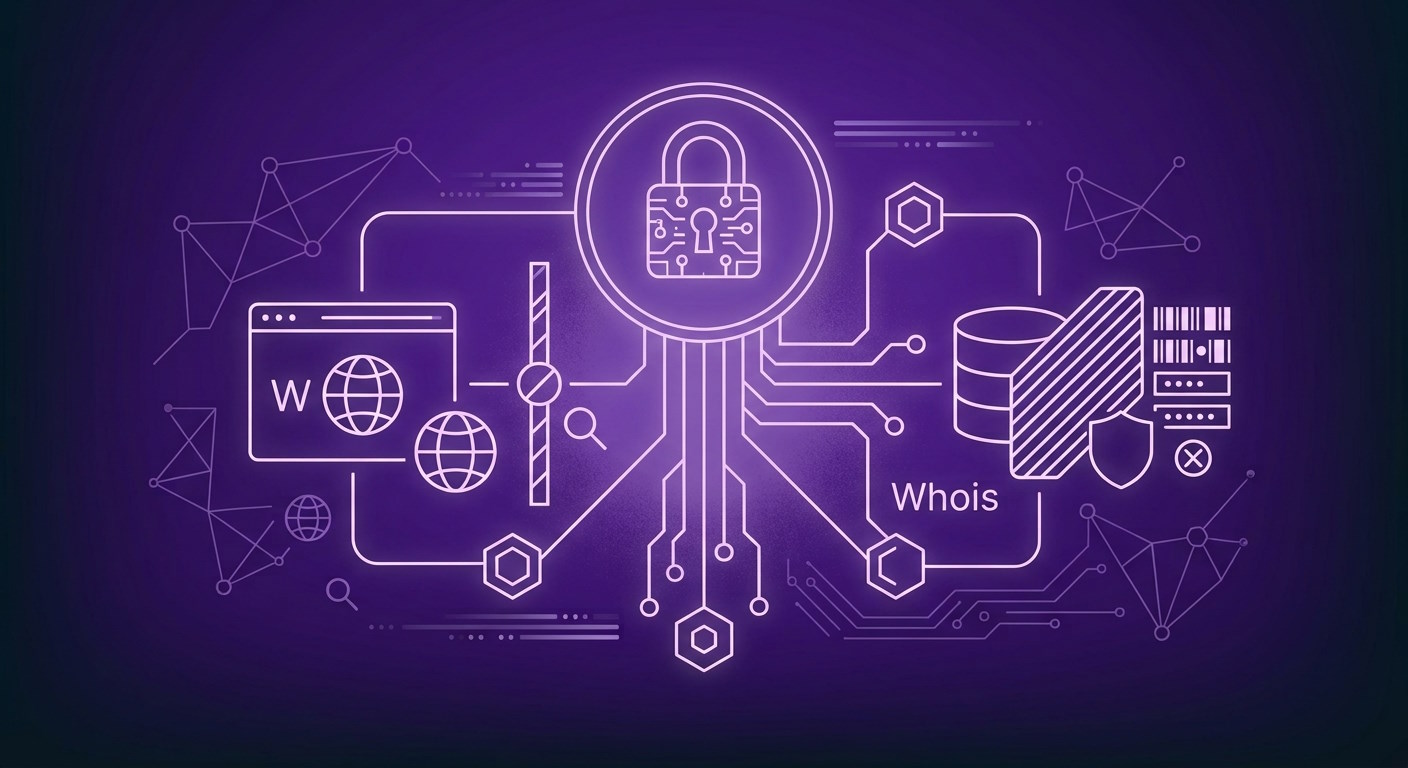
The easiest way to do so is by using a domain privacy protection service, often called WHOIS privacy or private registration. These services are typically offered by domain registrars either as a free feature or a paid add-on.
Abelohost's Privacy Protection
Abelohost offers the very same for every domain you register with us.
It’s all quite simple: you register the domain as you normally would and provide all your information. However, we then replace that information with generic contact details in the public WHOIS record.
In essence, we create a buffer, shielding your real name, address, phone number, and email from public view.
As handy as this is, it is important to note that it does not grant you full anonymity. Namely, your information will still be available to us and to ICANN.
However, it will be fully hidden from public lookup tools, allowing you to protect yourself from all of the potential privacy issues we described above.
How Do You Turn On WHOIS Protection for Your Domain?
If you register your domain through Abelohost, you will have the option to enable WHOIS protection during checkout.
The price is 7 EUR, and the activation is extra simple. All you have to do is check the ID Protection box.
When you do, your data will automatically be replaced as soon as your domain is registered.
Alternative Method
However, if you fail to toggle the protection on during purchase, you can still do it after everything is set up.
Just go to your Client Area, submit a ticket, and we will handle your request as quickly as possible.
Once we activate your ID protection, all your info will be hidden from public view, ensuring you are fully safe.
Conclusion
As you have seen, protecting your WHOIS information is an essential step toward safeguarding your online presence.
Otherwise, you risk exposing yourself to spam, phishing, and even identity theft and domain hijacking.
Fortunately, Abelohost offers you WHOIS protection services that come with every domain registration, whether you purchase a hosting plan or not.
With these protections in place, your information will stay safe, and you will not have to sacrifice transparency or put your reputation in jeopardy at all.
Author
Monica Jansen
Monica Jansen is a seasoned tech writer focused on web hosting and cybersecurity. She loves doing deep dives and whittling down difficult topics into simple and succinct concepts. Whether she is covering firewalls or different hosting plans, she always strives to provide clear guides that website owners of all skill levels can follow.
Add your comment
Get content delivered straight to your inbox

Your data.
Your choice.
Work with the best of the best — your projects deserve it.