Back to Blog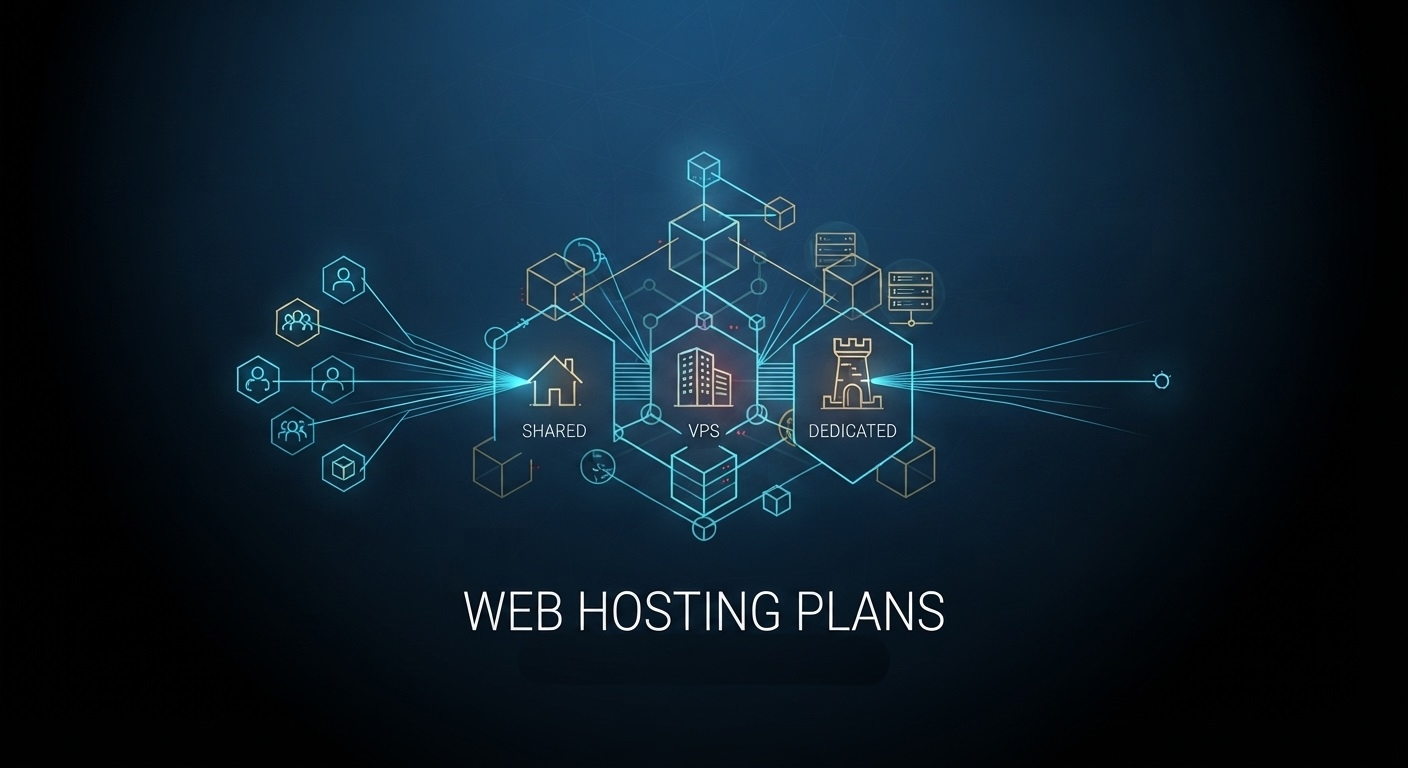




Monica Jansen
Jul 30, 2026
When To Upgrade Your Web Hosting Plan: 7 Clear Signs
A trusty hosting plan is the foundation of any successful website. The right plan ensures you have optimal performance, all the right features, and support that you can always count on.
However, knowing when to scale up is just as important—especially if you are expanding your business.
We will help you make the best decision by going over the following points:
- Web Hosting Definition and Its Different Types
- Why the Right Hosting Plan is Crucial
- Key Signs That You Need an Upgrade
If you’re unsure of whether you’re due for an upgrade, read on. Here are all the signs you shouldn’t ignore.
Explaining Web Hosting and Its Types
Though it might seem so, websites do not just magically appear online. Instead, they are stored on servers, which are, in turn, located in data centers.
The servers are owned by web hosting providers, which allocate some of their space and resources to each client.
In short, you can look at web hosting as a virtual home where your platform resides. It stores all your data and files, and it ensures your website is accessible to all visitors.
Now, it’s important to note that there are several types of hosting plans available. Which one you choose depends solely on your needs and future plans.
Here are your options:
- Shared hosting: Where several users utilize the resources of the same servers.
- VPS hosting: Where you get allocated a virtualized space within a server that only you can use, giving you more storage and resources.
- Dedicated hosting: Where you use an entire server by yourself and take advantage of all its resources and bandwidth.
As you can probably tell, each option suits different business needs.
Determining the Best Fit
Shared hosting is ideal for blogs and small businesses that are just starting out. It offers just enough space to begin your online journey and get your idea off the ground.
With time, moving on to VPS hosting is a natural—and often necessary—step. This type of web hosting allows for growth and traffic increases, making room for your website to expand and attract new visitors.
Finally, dedicated hosting is the type reserved for thriving e-commerce stores and big businesses. Powerful and expensive, it’s the final step on the hosting ladder that only the most successful webmasters need.
The Importance of Choosing the Right Hosting Plan
Your website’s performance, security, and speed depend solely on the web hosting plan you choose.
The more advanced your plan, the more resources, bandwidth, and space you will have to work with. In addition, higher-tiered plans usually come with better support, allowing you to solve issues at a faster rate.
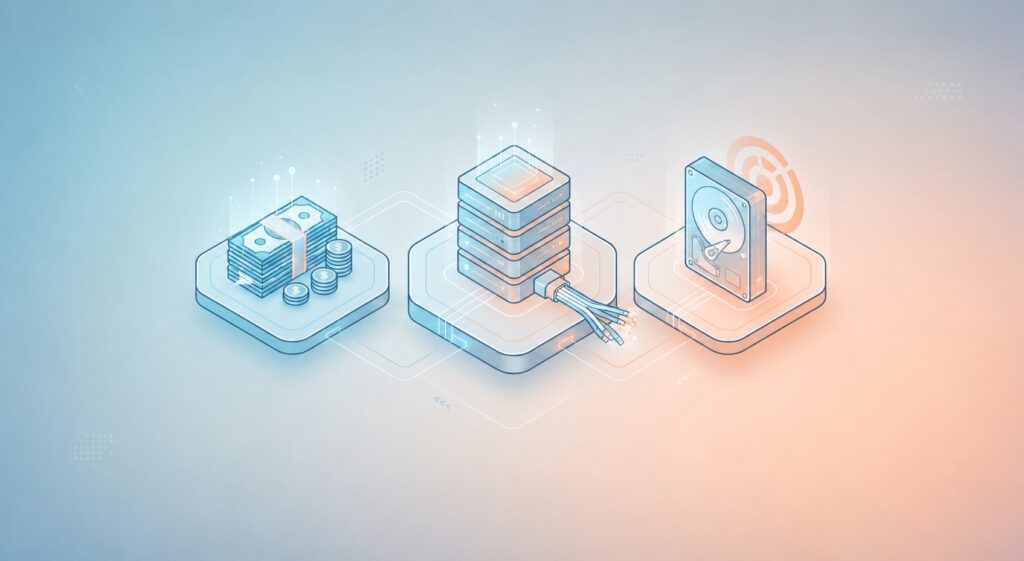
Naturally, such plans also cost more, but your earnings should be able to cover that extra cost quickly.
So, in essence, your hosting plan plays a direct hand in shaping your reputation and steering your growth.
While you should always start small and upgrade as you grow, paying close attention to your performance and knowing when to make a change are crucial for success.
7 Signs That Your Hosting Plan Is Ready for an Upgrade
If you’ve been using the same hosting plan for a while, chances are that you are due for an upgrade. Here are some tell-tale signs that you should keep an eye out for.
1. Your Site Has Become Slow
If you’ve noticed that your site takes more than a few seconds to load, it is time to start thinking of a hosting plan upgrade.
Most of the time, slow loading time occurs because your hosting plan doesn’t provide you with enough resources.
Now, this might not seem like too big of a deal, but studies say otherwise.
Why This Is Such a Big Issue
Namely, more than 50% of users will leave a website if it takes more than 3 seconds to load on their devices. In fact, even a 0.1 second delay can lower your conversion rates by around 7%.
To make things worse, Google typically puts websites that load slowly much lower on their search rankings.
Thus, even delays that might seem insignificant can seriously impact your standing and reputation.
That is why you should consider upgrading as soon as you notice that your site is taking longer to load. It’s a sign of progress, and you should take it as such!
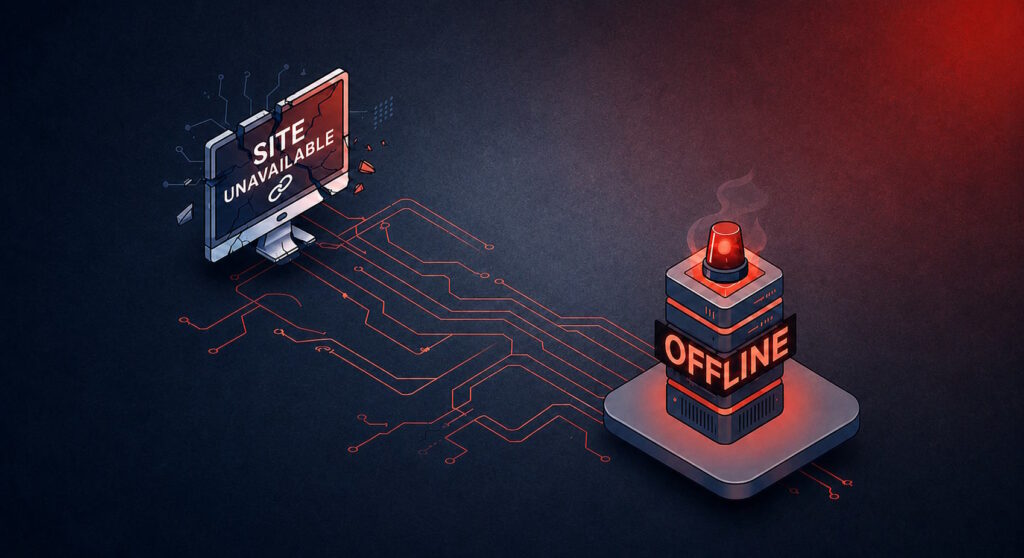
2. You Experience Frequent Downtime
Is your website offline often?
Needless to say, that isn’t a good thing, as frequent downtime plays a direct hand in lowering your search engine rankings.
Plus, visitors will likely give up on a website after not being able to connect to it a few times. After all, such platforms appear untrustworthy and unsafe, and people will move on to better options sooner rather than later.
Downtime is usually a result of either limited bandwidth or inadequate storage—or both. If that is the case, you will notice that the downtime occurs during high-traffic times, such as viral campaigns or sales.
If you can definitively link the downtime to such surges, looking into hosting plan upgrades will be your best bet.
3. You Have No Scalability Options
In case you have a hosting plan that doesn’t leave you room to grow, scaling up is not just an option—it’s a must.
As your website increases in size, it will require more space and resources.
By neglecting the importance of flexibility, you will find yourself dealing with technical issues that will be insurmountable with your current plan.
Again, this will discourage your visitors and impact your reputation.
So, opting for VPS hosting—or working with a provider that makes switching and upgrading easy—is the best way to go.
4. You Have Security Concerns
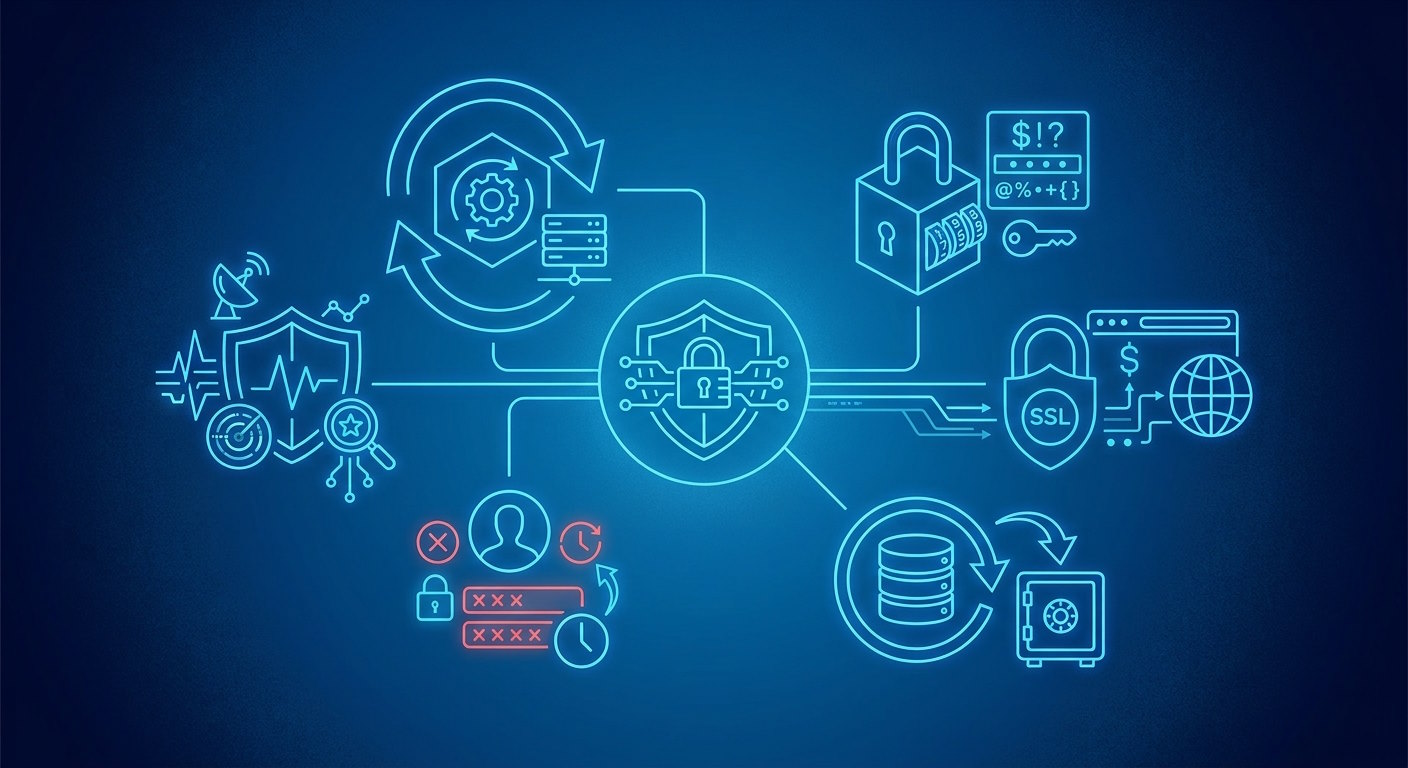
Typically, the cheapest and simplest hosting plans do not come with robust security reinforcements.
In other words, you likely won’t have trusty firewalls, encrypted backups, or SSL certificates to count on. Without them, you will be vulnerable to attacks, malware, and breaches.
All of this can lead to data loss, legal repercussions, and reputational damage. Not to mention, it could result in losing your website entirely.
Thus, if you have concerns about potential breaches, including DDoS attacks, and would like better security, upgrading your hosting plan is the way to go.
By having access to better security measures and more backup space, you will know that, even if an attack does occur, you have all you need to recover quickly.
5. You Need More Support
If you find yourself struggling to resolve issues that pop up unexpectedly—or if your provider’s support team is difficult to reach—it might be time to look for something better.
Namely, many providers promise support that they ultimately fail to provide. Alternatively, they simply have an AI bot deal with clients, not caring at all whether the issues get resolved or not.
If you are in the same position, finding a better hosting option is crucial.
It's All About Peace of Mind
Aside from having access to better support, you will also know your website is in good hands, no matter what occurs.
This fact is even more essential if you aren’t that tech-savvy and you require more guidance while getting started.
In short, placing your website in the hands of a reliable and capable provider is the key, no matter what plan you choose.
6. You Require More Advanced Features
You know the drill by now—simpler plans come with just enough features to keep a small website afloat.
That is to say, there likely won’t be any:
- Automatic backups
- Quality email services
- Upgrade possibilities
In short, you will have all you need to start a platform, but not to grow it.
So, when you do begin to expand, you will need better features, which is where a plan upgrade must come in.
With it, you will be able to create backups as frequently as you want and have more than enough space to store them. Plus, you will be able to take advantage of other features that will make managing and maintaining your website easier for you.
7. You Want to Cut Costs
While it might seem counterintuitive, upgrading to a higher-tiered plan can indeed help you save money.
Namely, while initial costs of your current plan might seem lower, hidden expenses and unexpected problems can make the total a lot higher.
After all, if you have to pay for resolving server issues or recovery after a breach, your expenses will be significantly higher.
Thus, logic dictates that you opt for a hosting plan that already gives you support in terms of security and management.
That way, you will not have to worry about unnecessary costs. Everything you need will already be included in your plan, making unexpected or hidden expenses highly unlikely.
Conclusion
In the end, it all comes down to this: if you are planning on growing your business and reaching a wider audience, you will need a plan upgrade.
The easiest way to go about it is to find a reliable and capable hosting provider that makes scalability a priority and can help you upgrade quickly and without any issues or downtime.
If that’s exactly what you need, Abelohost should be your number-one option.
With our scalable plans, you will be right on track every step of the way on your journey toward success.
Reach out to us, and let’s discuss your options!
Author
Monica Jansen
Monica Jansen is a seasoned tech writer focused on web hosting and cybersecurity. She loves doing deep dives and whittling down difficult topics into simple and succinct concepts. Whether she is covering firewalls or different hosting plans, she always strives to provide clear guides that website owners of all skill levels can follow.
Add your comment
Get content delivered straight to your inbox


Your data.
Your choice.
Work with the best of the best — your projects deserve it.